

We have a problem: America is aging.
By 2040, the proportion of Americans over the age of 65 will have nearly doubled from where it was in 2000. This demographic shift presents serious challenges, from strained medical systems to a looming Social Security crisis. But one of the most immediate issues is the severe lack of housing for seniors.
Already, a growing number of seniors are ending up on the streets, struggling to balance their fixed incomes with rising housing costs. Many support programs for low-income seniors fail to include housing assistance, leaving them vulnerable.
We have both a lack of welfare support and a lack of housing stock for the seniors who need it most.
A Looming Crisis
The warning signs are already here. Today, a greater proportion of the homeless population is over 50 than ever before. The number of senior households spending more than half their income on housing has doubled since 2000, reaching nearly 12 million. A third of all senior households are considered "cost-burdened," meaning they spend more than 30% of their income on housing.
These saddening statistics are endless.
The consequences go beyond financial strain. Housing instability exacerbates health issues, making it harder to access medical care and worsening chronic conditions. Without a safe, stable home, seniors are at greater risk of premature death. These are real people struggling to find stability in the years that should be their retirement.
It doesn’t have to be this way. It shouldn’t be this way.
We desperately need better housing options for seniors—and religious institutions are uniquely positioned to help.
A Shortage of Housing Options
This problem largely stems from what kind of housing is available. Much of the national conversation around housing affordability focuses on first-time homebuyers, but the same challenges apply to older adults looking to downsize. Smaller, more affordable homes are increasingly scarce, making it difficult for seniors to find housing that suits their needs. Even those with financial resources may struggle to locate an appropriately sized home in their community.
For seniors on a tighter budget, the lack of smaller, affordable housing options can force them to move out of the neighborhoods they love. In an ever-increasing number of cases, the lack of supply leaves them on the streets.
This crisis is exacerbated by our typical approach to housing seniors: segregating them into age-restricted communities or expensive assisted living facilities. These options often isolate older adults from the broader community, limiting social interactions and exacerbating a loneliness epidemic. Many of these developments are car-dependent, further restricting access to daily necessities and social engagement for those with limited mobility.
Furthermore, they’re expensive. A recent Harvard analysis found that only 13% of seniors could afford to move into an assisted living facility without tapping into their assets. That leaves seniors with few good choices: stay in a home that may not be suitable for aging in place, pay a premium for an isolating senior community, or face housing insecurity.
We need better options.
What Religious Institutions Can Do
Addressing this crisis requires a shift in the kinds of housing we build. One of the best opportunities to lead this shift comes from religious institutions. Many houses of worship have the land, the long-term perspective, and congregations members in need of housing solutions.
The market has failed to deliver for the elderly, both in terms of community and in terms of price. Religious organizations can deliver on both of these counts—they’ve already got the land, and by their very nature are focused on building community.
First, the land. Land costs are one of the biggest barriers to affordable housing development. Though exact ownership structures vary greatly by denomination and by religion, many houses of worship own the site that they sit on, often with underutilized parking lots, vacant buildings, or open space. One of the core costs of housing is the land which it sits on. If you want to bring down the costs for occupants, having cheaper land is a good start.
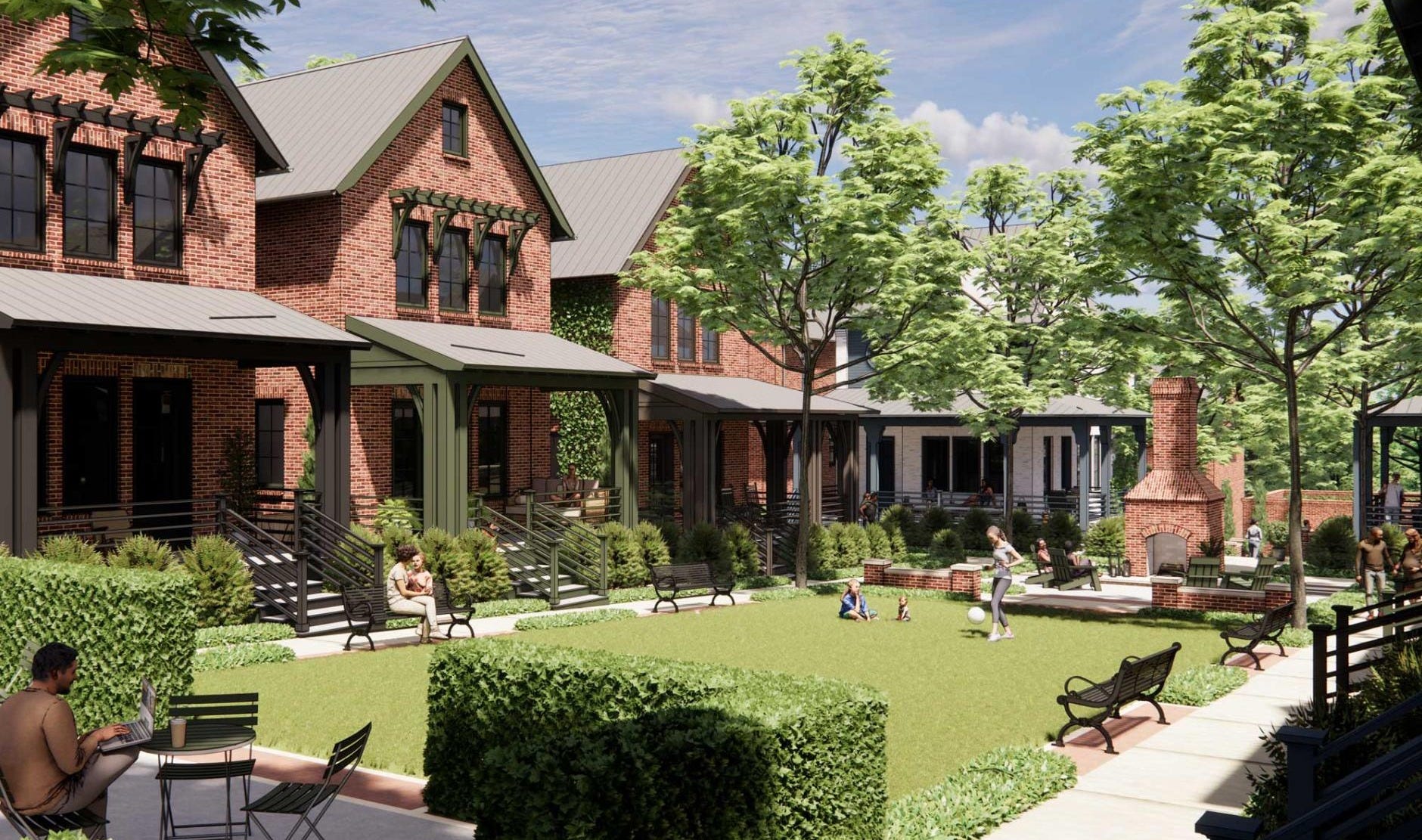
Second, the community. Religious institutions have long been at the heart of social connection. Housing built by faith communities has the opportunity to foster intergenerational relationships and strong social ties. Instead of isolating seniors, churches could develop small villages or pocket neighborhoods that integrate different age groups and socioeconomic backgrounds. A development might include smaller homes for seniors alongside family housing, creating a more diverse and connected community.
This model isn’t theoretical—it’s already working in pocket neighborhoods across the country. Houses of worship are in a prime position to expand these efforts.
Moving Forward
We need a new approach to housing our aging population—one that is both affordable and dignified. No one should have to choose between isolation and homelessness. By increasing housing diversity, designing for community, and leveraging existing land, we can create better outcomes for seniors across the country.
Faith-based organizations are uniquely positioned to take action. They already have the resources, the mission, and the community engagement to make a difference. The next step is turning that potential into reality.
That step definitely isn’t easy—but that’s exactly why this blog exists. We’re sharing success stories, strategies, and lessons from the faith-based housing movement to help houses of worship take that first step towards improving their community. If you’re ready to be part of the solution, follow along, share, and let’s build something better together!
Eli Smith is the Director of the Faith-Based Housing Initiative. He is a recent graduate of Dartmouth College, where he studied Religion, with a focus on the faith-based housing movement.
Agreed! I think homesharing can also be a key component of this-pair an elderly homeowner with a young professional who can pay a reduced rent and help with some chores around the rent. Churches can help arrange and manage these types of matches which are a win win for everyone (when done well)